
THAMI RADEBE ROAD HEROES AWARD 2025
Through this award, renamed in honour of our late co-founder Thami Radebe, we recognise an individual from any walk of life who has dedicated visible effort to the road safety cause, assisted people affected by road crashes or shown leadership to reduce road traffic injuries, disabilities and deaths. We’re delighted to announce our 2025 winner and tell you about him
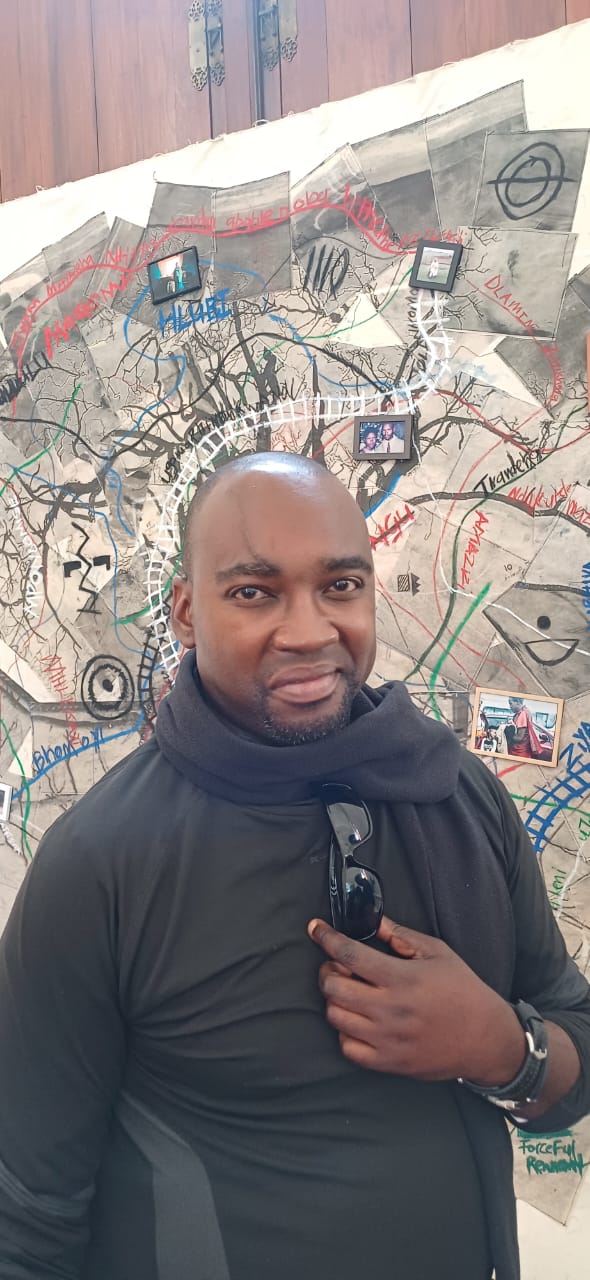
Zwelethu Mazibuko
WINNER: Zwelethu Mazibuko
(co-director, The Safety Drive)
Zwelethu (Zweli) was nominated by his co-director Thandiwe McCloy, who felt that the effort he puts into sharing his story as a road crash survivor – and the impact this has on his audiences – deserves recognition. Our adjudicators heartily agreed, with Zweli rated top of a diverse group and more than one panelist naming him their stand-out nominee. The Road Ethics Project was most impressed by how he uses his firsthand experience of a road crash and its consequences to foster insight into just how dangerous our roads can be. Through his courageous and vulnerable sharing of what he has gone through and what kinds of practitioners and services have helped him, he empowers people with knowledge and his story is highly relatable for other crash survivors, their families and everyone who has lost someone on the roads. It takes special courage to tell one’s story publicly and, with Thandiwe’s support as a media engagement expert, his message is landing more and more widely
Described by Thandiwe as “an eternal instant”, the collision which almost killed Zweli in August 2008 and left him comatose for many weeks led to permanent and life-changing consequences – medical, social, financial and professional. We interviewed Zweli in February 2026 to learn more. He explains that, from feeling that the world was his oyster before his crash (as a soon-to-be married sports anchor for eNCA and team member at PriMedia Education), afterwards he lost much of what he held dear, including some of his own memories; his fiancée and many friends also walked out of his life, being unable to accept his state of disability. His family stuck by him throughout, however, and he credits his father with saving his life more than once through his determination, his faith and his knowledge from long-ago medical studies before he entered the teaching profession. Zweli notes that all these years later he is still in a state of recovery, with his devastating physical injuries having been accompanied by serious psychological challenges and leading to health conditions (diabetes and epilepsy) which he will have to manage lifelong.
We’re struck by how Zweli’s account of what he’s gone through can serve as a wake-up call, reminding people how vulnerable we are to injury when violent physical forces, high velocities and heavy objects are involved. He also makes clear the ethical obligations we have to ourselves, our loved ones and fellow road users to minimise harm on South Africa’s roads – for example, by not speeding, not driving drunk and not being a distracted driver or pedestrian – and notes that our government is not doing enough to curb lawlessness. His views are very much in line with the Road Ethics Project’s focus on Vision Zero and the Safe System approach.
Zweli tells us that even before his own crash he had experienced the terrible price of South Africa’s road carnage, having lost his aunt and two friends (one from school, one from university) to crashes. He feels a sense of duty to help prevent others going through similar experiences and knows that if his message saves even one life he will be living as God wants him to. Linked to this, he and Thandiwe have become participants in ProjectEDWARD-SA, a civil society collaboration and part of a global movement striving towards the target of Every.Day.Without.A.Road.Death. Asked what magic wand he would like to wave to change the road safety picture in South Africa, Zweli talks about the need for safer, more affordable public transport systems in a country where so many walk and travel via minibus taxi. He also mentions the need for a driver licensing process which makes people truly safe and ready to drive – especially in the hazardous conditions we currently face – rather than just training them along the lines of “monkey see, monkey do”. His key ethos is that drivers can’t just drive for themselves but MUST drive in a way that keeps others safe. He ends by expressing appreciation for the 2025 Thami Radebe Road Heroes Award and how it will help amplify his story
Zwelethu receives a certificate, mock cheque and cash prize of R5,000 from the Road Ethics Project.


